Despite years of moves to loosen marijuana restrictions, pot is still illegal at the federal level (with some new exceptions). Here’s what’s going on.
Despite years of momentum to loosen restrictions on weed, including a recent order from the Trump administration’s Department of Justice, there is still a big disconnect between states and the federal government.
On April 23, the Department of Justice said it was easing federal restrictions by moving some kinds of marijuana with medical use from Schedule I, the most heavily controlled drugs under the Controlled Substances Act, to Schedule III, which can be legally prescribed.
But the move doesn’t apply to all marijuana, and it doesn’t make recreational use legal at the federal level. The Trump administration said it was able to quickly make this narrow change while still pursuing a more sweeping rescheduling.
With the DOJ’s most recent action, someone who uses medical marijuana in a state that has a medical use program, if they follow the state’s rules, is no longer breaking federal law, said Heather Trela, director of operations and fellow at the Rockefeller Institute of Government.
But experts have told USA TODAY that the move to reclassify marijuana doesn’t satisfy the yearslong push to make it legal for other uses, and won’t resolve conflicts between federal and state laws.
“This does not make it legal to be used in any circumstance,” Trela said. “This will not make medical marijuana legal in states that have not legalized it.”
Despite federal laws, many states have taken the unusual approach of passing their own laws about marijuana, often ones far more permissive than the federal government.
Get the Daily Briefing newsletter in your inbox.
The day’s top stories, from sports to movies to politics to world events.
Delivery: Daily
Your Email
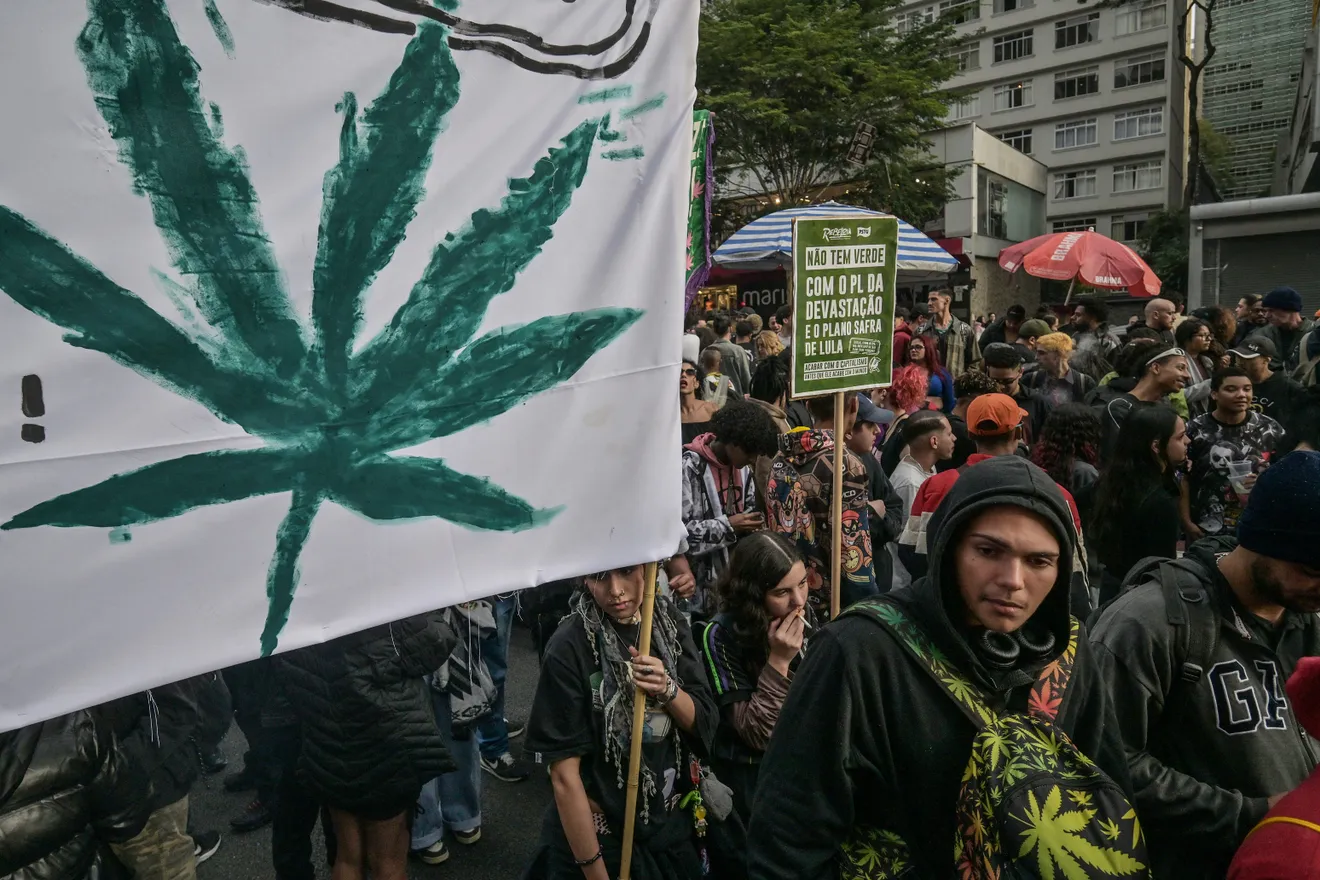
This has left the nation with a confusing patchwork of state laws. Most states had been authorizing marijuana for medical use even before the rescheduling, and nearly half of all states also say recreational use is OK. Few states ban it outright.
Americans generally support legalization, according to public opinion polling; for the last decade, at least 60% have supported legalization.
Former President Joe Biden announced his intention to reschedule marijuana and also issued federal pardons for certain marijuana-related crimes. President Donald Trump is also pushing for rescheduling.
“Some people like it, some people hate it. Some people hate the whole concept of marijuana,” Trump said last year.
What did the new Trump administration order do?
The Department of Justice action on April 23 did not reschedule all marijuana, as Biden and Trump both indicated they support. Instead, it rescheduled products that fall under two categories: “FDA-approved products containing marijuana and marijuana products regulated by a state medical marijuana license.”
These types of marijuana products were moved from Schedule I to Schedule III.
The Controlled Substances Act classifies drugs from Schedule I to Schedule V based on their potential for abuse, addictiveness and medical use. Schedule I drugs have “high potential for abuse and the potential to create severe psychological and/or physical dependence” and “no currently accepted medical use,” the DEA says.
Marijuana was considered a Schedule I drug since it was first placed on the list in 1970, alongside drugs like heroin, LSD and ecstasy.
Schedule III drugs, which include Tylenol with codeine or anabolic steroids, can be lawfully prescribed as medication regulated by the FDA.
The move could also open up potential tax benefits for weed companies in states where medical marijuana is legal. There is some uncertainty about how that will go, and whether those businesses have reason to be concerned if they also sell recreational marijuana, which remains federally illegal, Trela said.